
Specialist finishes, restoration
Repair rather than replace
One of the most useful parts of specialist finishing is the ability to repair, restore, or disguise damage without replacing the original material.
Often the process comes down to understanding colour, texture, sheen, and how finishes age – then rebuilding and blending those elements until the repair disappears into the surrounding surface.
Every day wear and damage
Not every restoration needs to be complex.
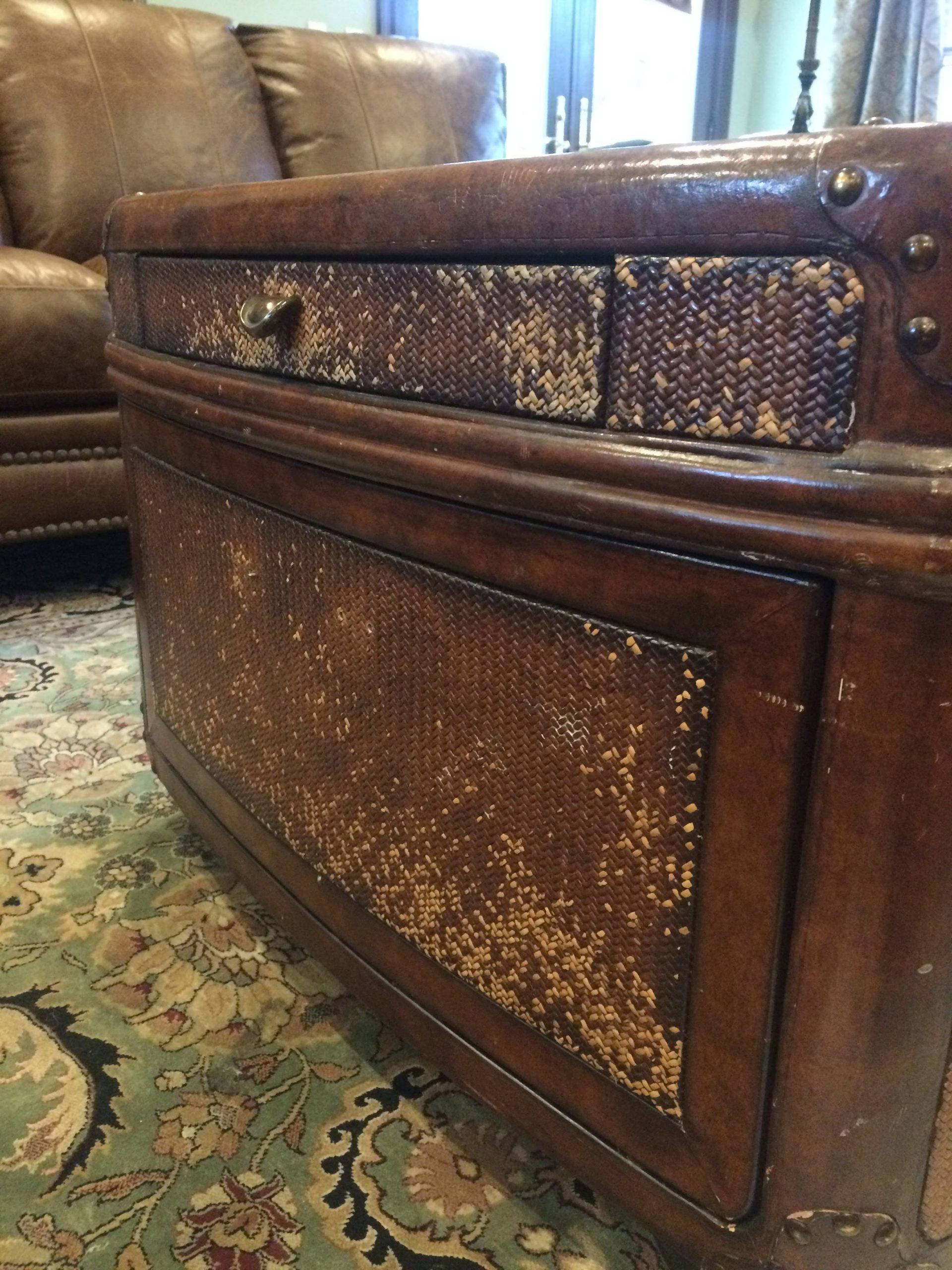
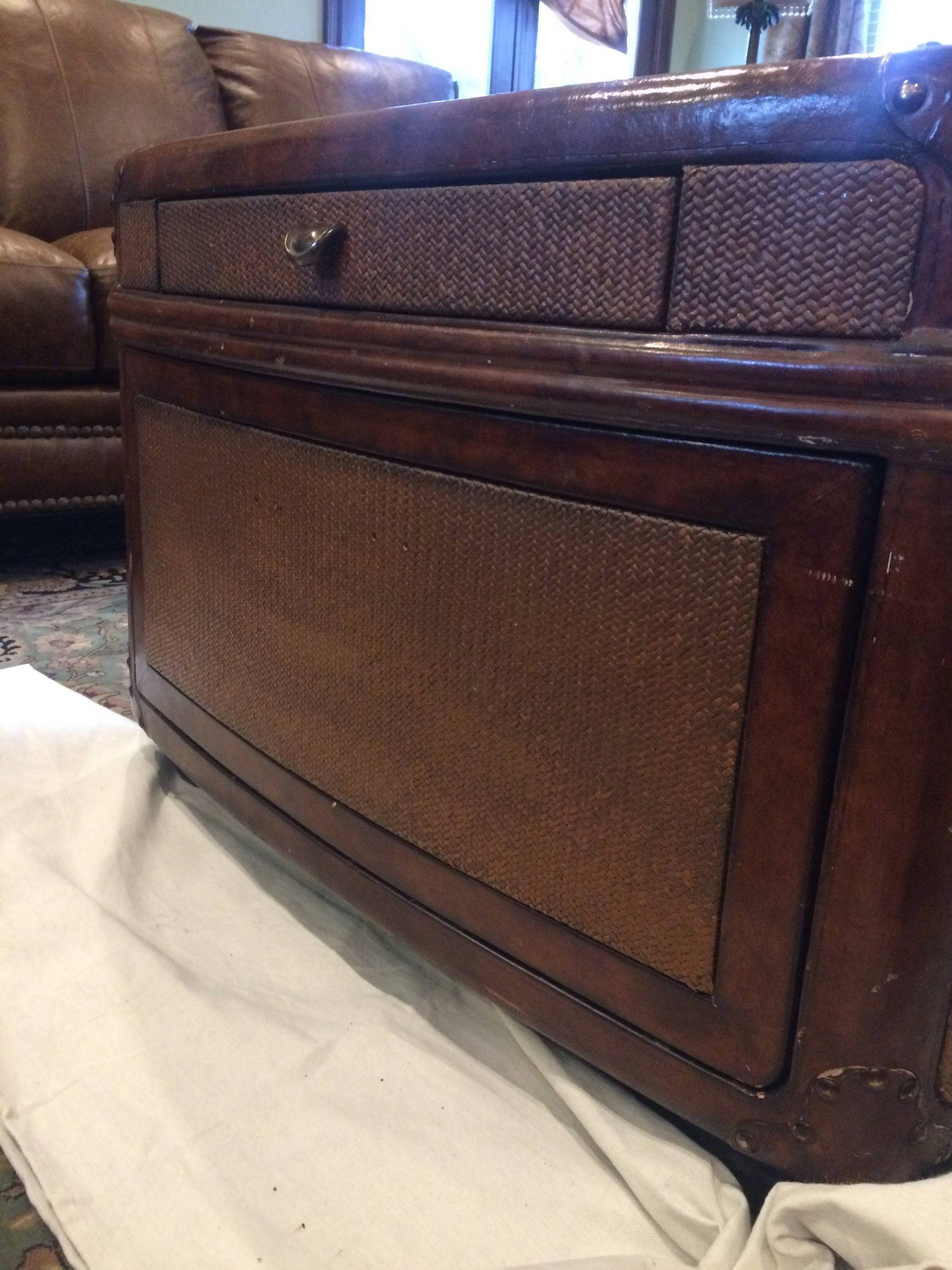
The piece below had suffered years of wear and scuffing from everyday use. Rather than stripping or refinishing, an opaque glaze was used to rebuild colour and blend the damaged areas before applying a protective top coat.
Recreating what was lost
Sometimes restoration involves reconstructing missing detail rather than simply touching up damage.
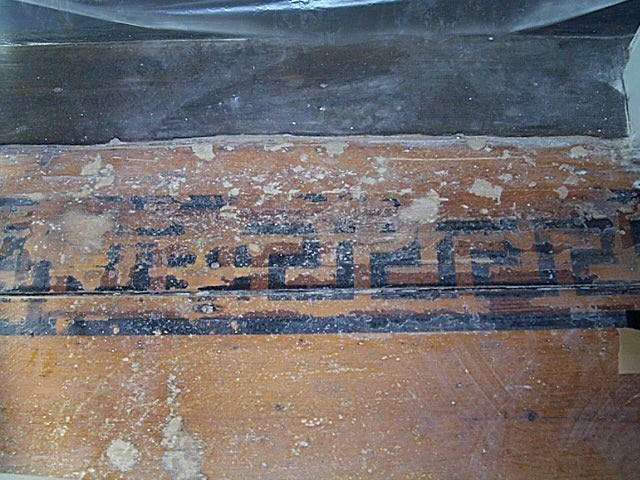
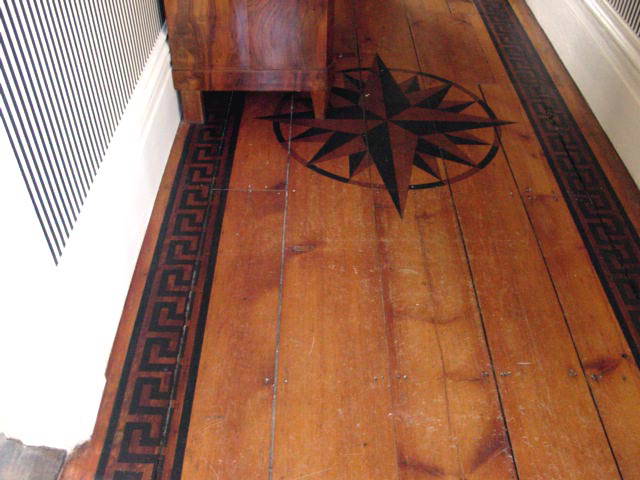
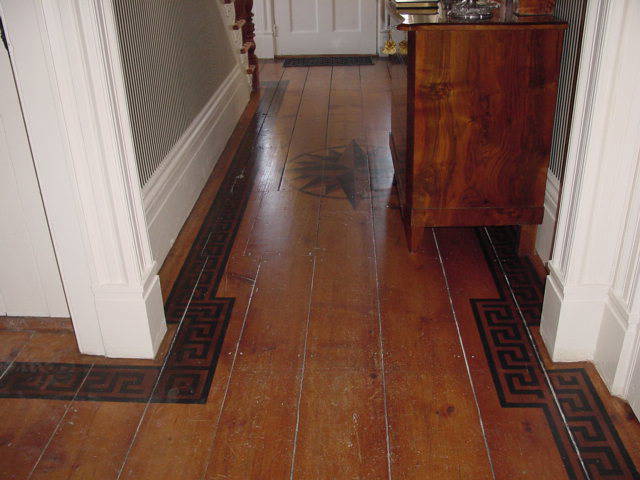
In the floor below, paint stripper had damaged both the finish and decorative border. Enough of the original remained to recreate the pattern and rebuild the surrounding colour so the repair blended back into the original floor
Respecting original character
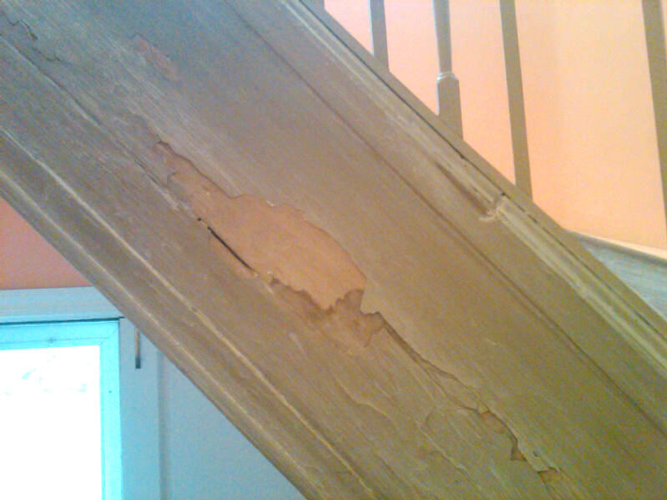
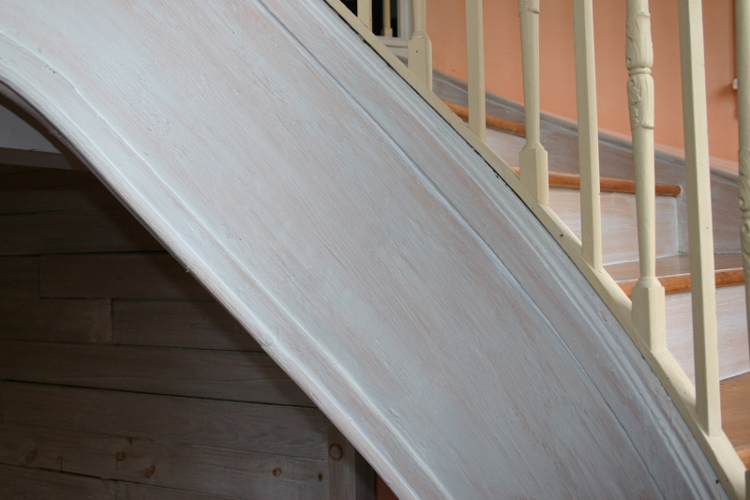
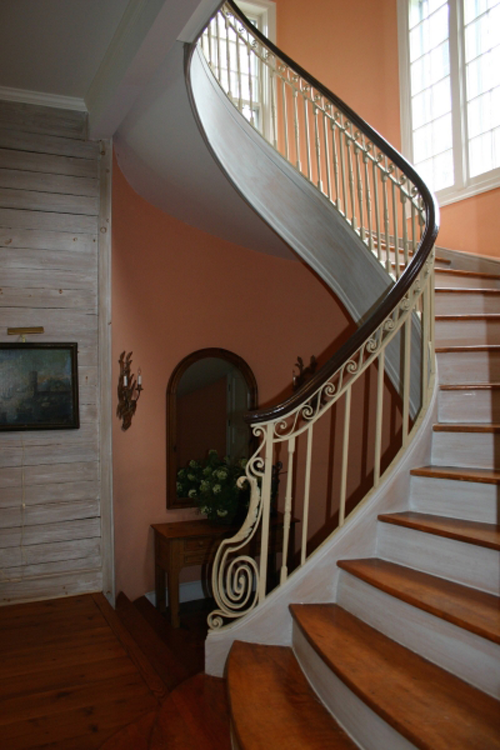
This staircase began life in an opera house before being relocated to a private home. Years of repair and movement had left the plaster and gesso surfaces unstable and visually inconsistent.
Loose material was removed, original textures rebuilt, and repairs faux finished to tie back into the surrounding surfaces and preserve the character of the staircase.
When repairs become problem solving
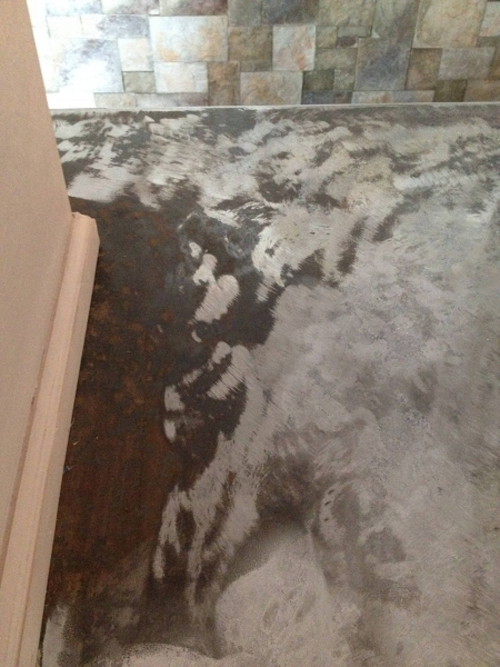
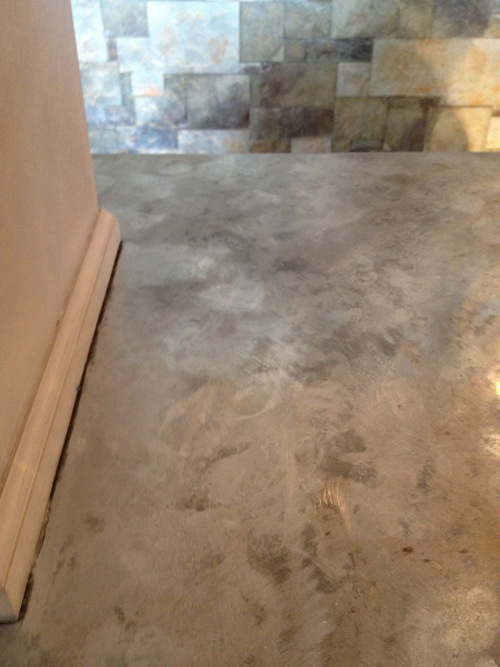
Some materials are more challenging than others. Metallic finishes are difficult to repair convincingly because they change depending on light and viewing angle, so matching can never be guaranteed. In this situation, a steel countertop had visible inconsistencies around structural columns and a specialist metallic finish allowed the transition to disappear.
Whether the issue is wear and tear, accidental damage, installation challenges or age, restoration is about finding a way to keep what already exists and make it work again .