
Specialist finishes, decorative painting, woodgraining
Understanding the process
When I first discovered woodgraining and faux finishes, I couldn’t understand what I was looking at in photographs. It was only once I learned the process myself and saw the base coat stage that it clicked.
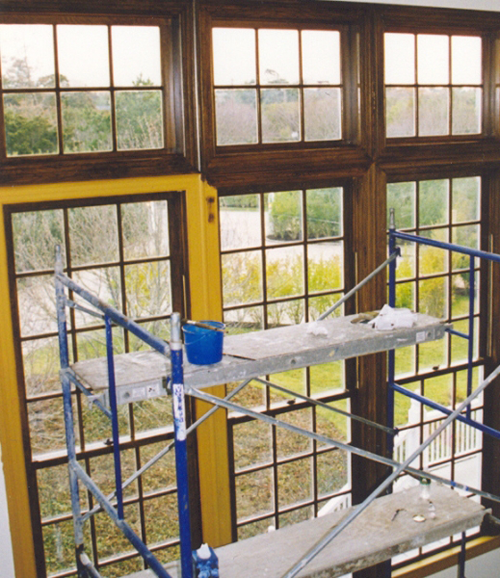
Window in progress, base coat showing
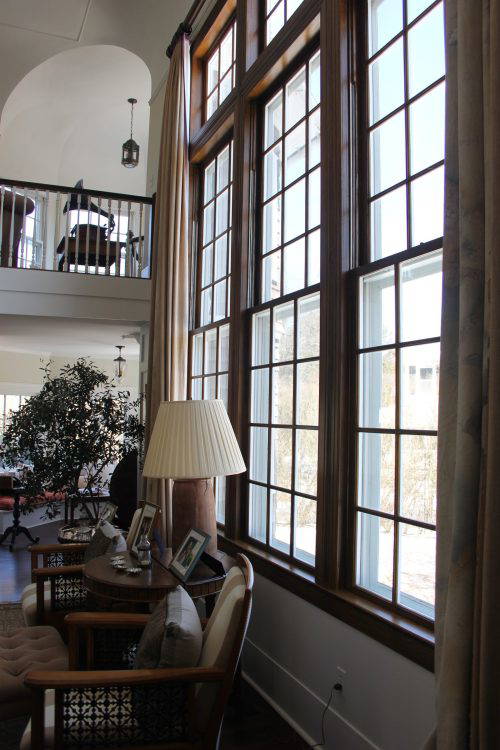
Same window 20 years later
The choice of base coat is often the most important part of the process.
To create the faux mahogany table below, the piece was first painted bright orange. Grain was then introduced using a water-based medium and specialist brushes before rich color and depth were added with oil glaze and artist oils.
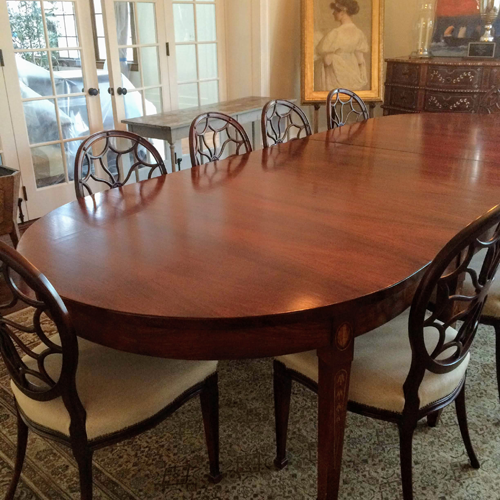
Building the finish
Multiple coats of polyurethane created a durable, uniform finish. These photographs were taken 15 years later — and the finish still looks as good as when it was completed.
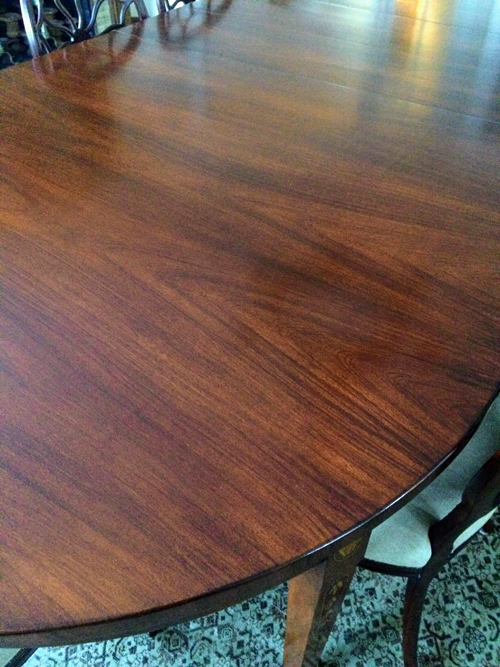
Decorative possibilities
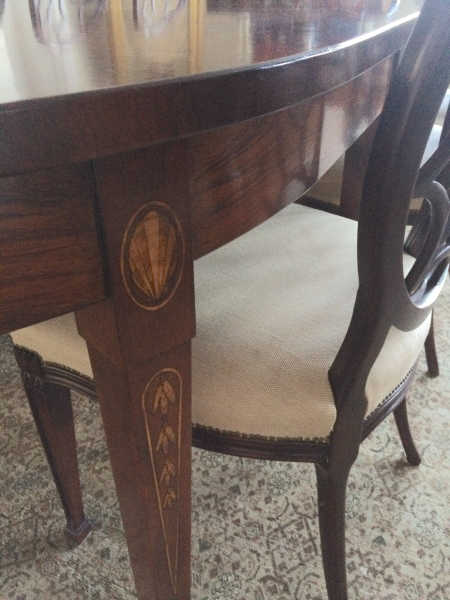
Woodgraining can do more than imitate timber. Decorative details such as faux inlay can be introduced to enhance existing furniture or create something entirely new. The leg detail on the table above for example.
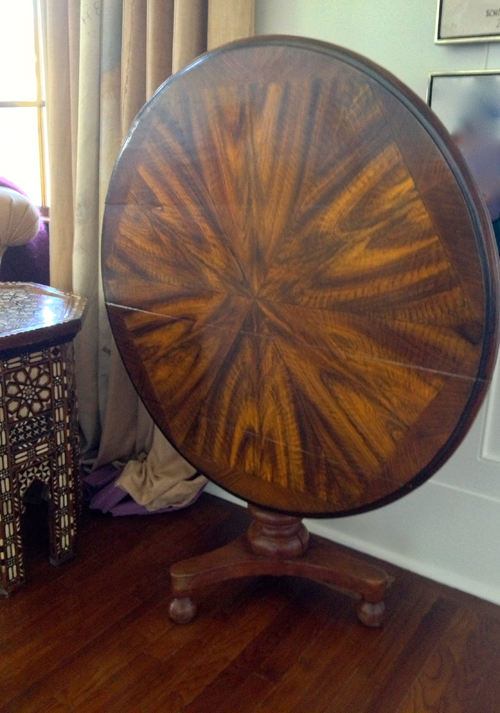
The table below was solid mahogany, but I repainted the top to introduce a more interesting book-matched veneer design.
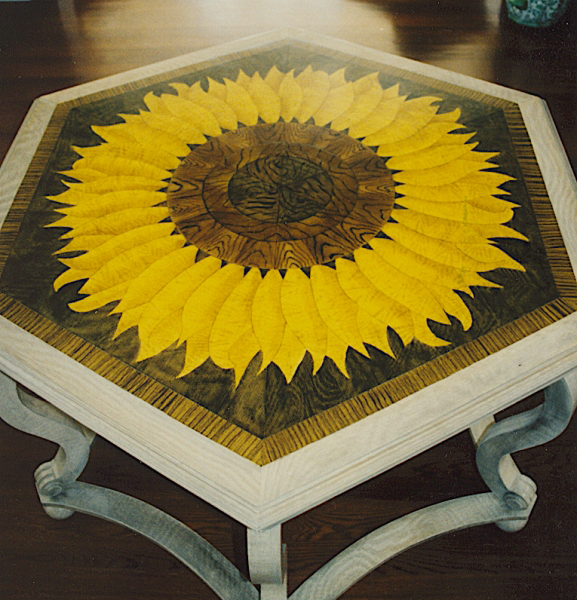
This was a new primed-white table that was transformed with a faux inlay sunflower design. I finished the border and base in a cerused oak effect.
Practical applications
Sometimes replacing an element isn’t necessary – a door can be made to match new paneling, an existing staircase can tie into new posts and handrails, or a metal canopy can blend into surrounding materials.
The examples below show how faux finishes can help preserve what already exists while creating a cohesive result.
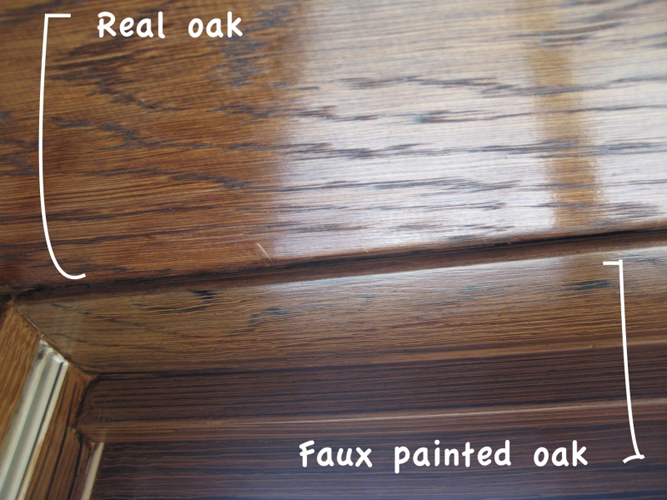
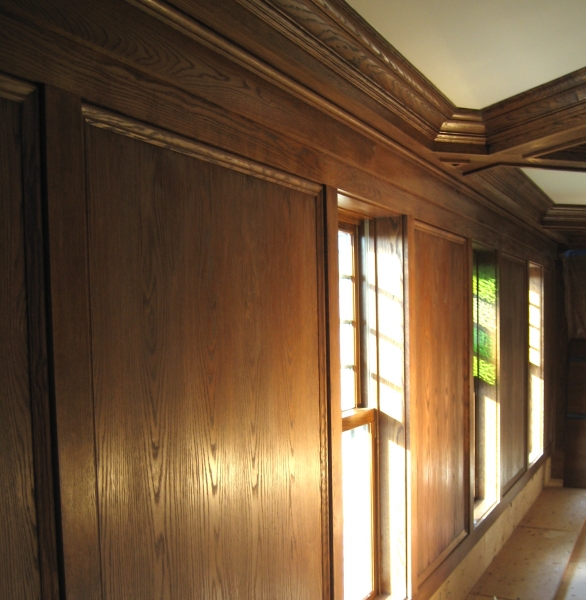
Windows wood grained to match surrounding oak paneling
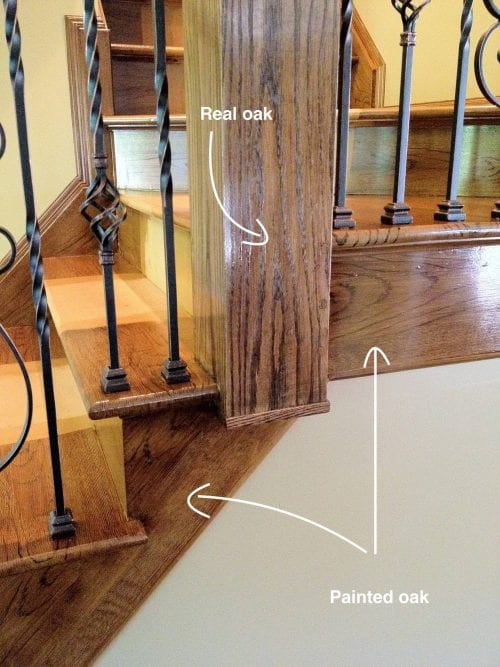
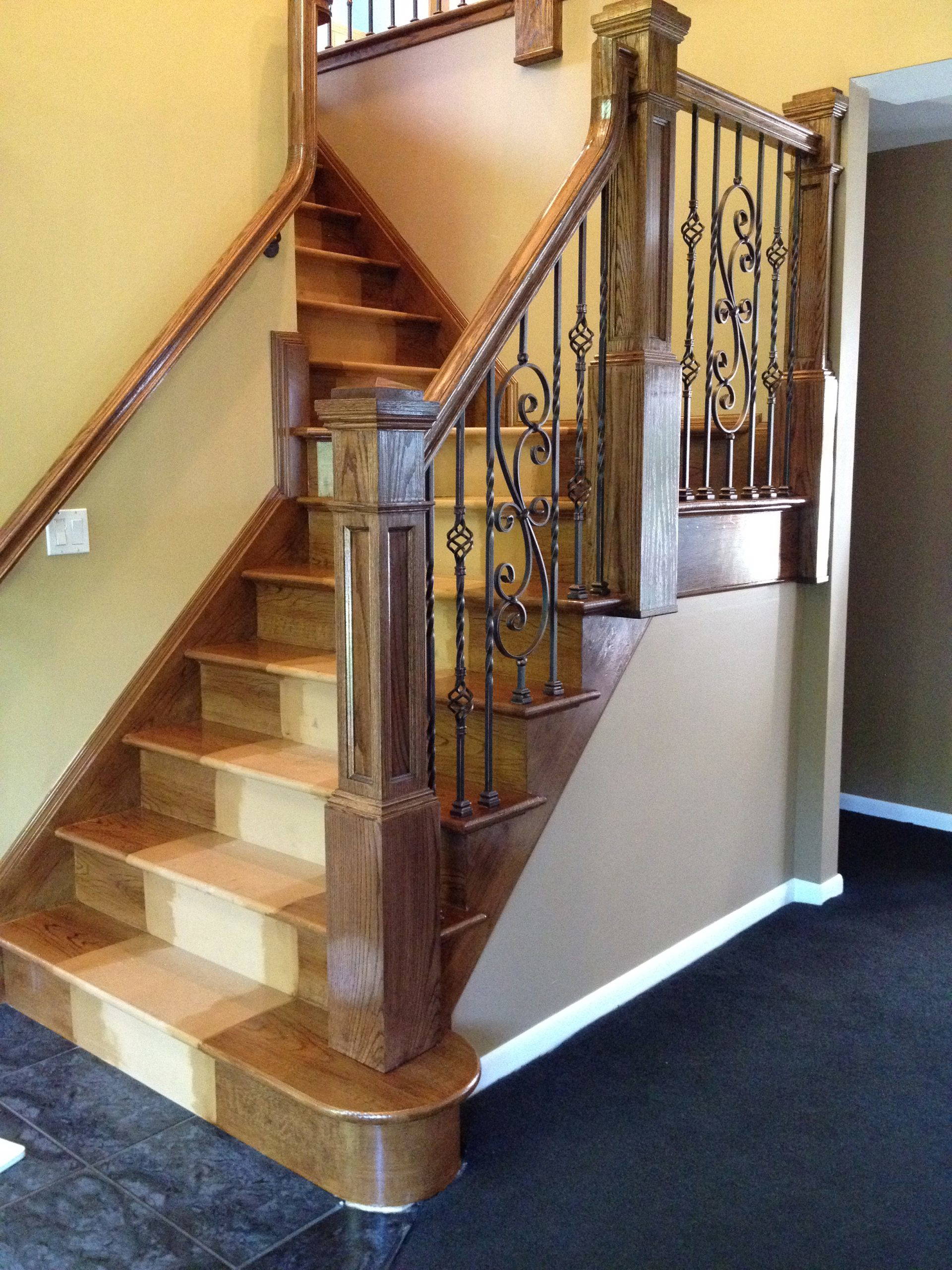
Existing stairs wood grained to match new handrails and newel posts
The level of detail depends on the project
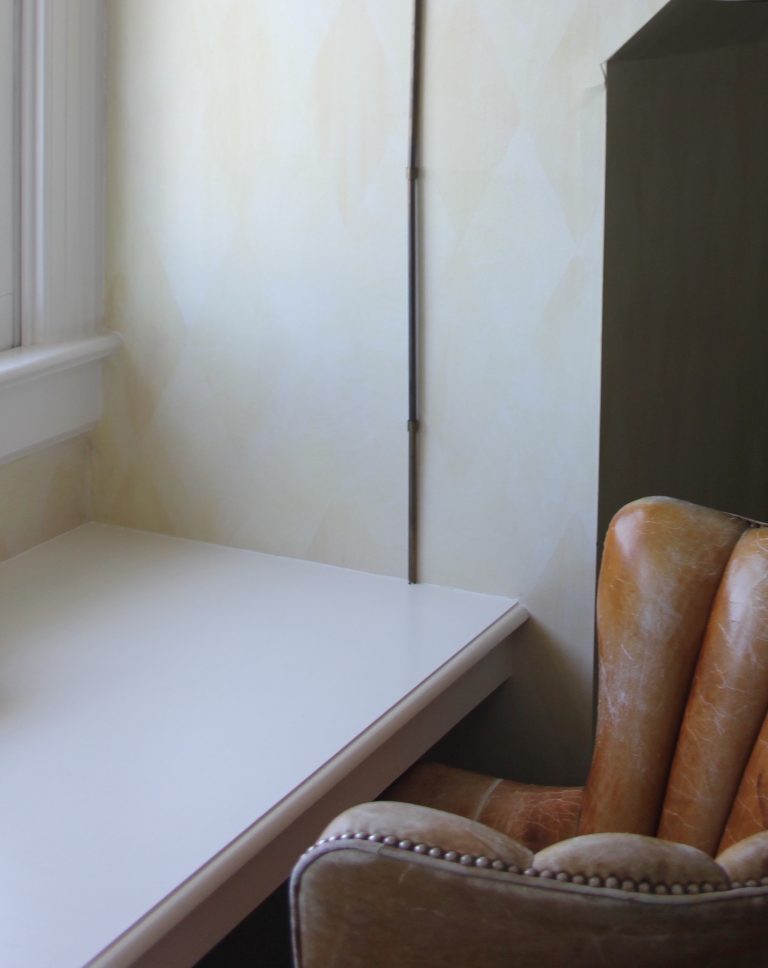
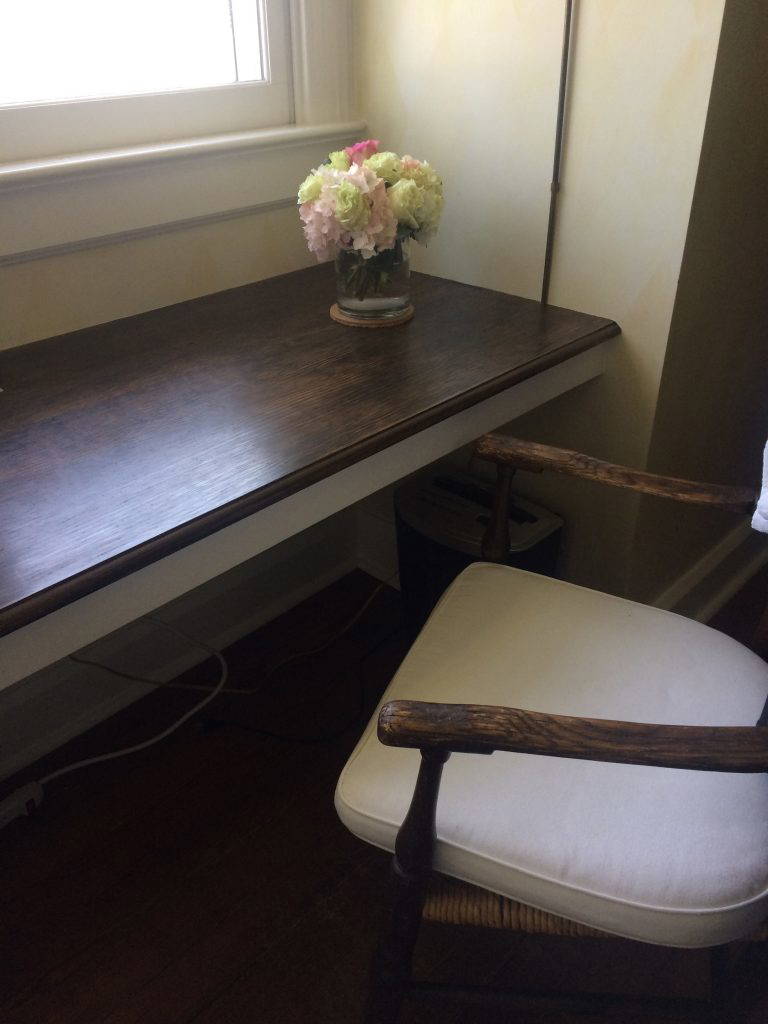
Sometimes a simple broken-color technique is enough. Other times I need to “bring out the “magic brushes” and get a bit more detailed. What I do very much depends on the situation – lighting conditions, durability requirements and customer preference. The top of the desk below is a simple combed glaze finish over a warm tan base coat. The finish resembles the oak grain of the adjacent chair.
Woodgraining remains one of my favorite interventions because it can be as practical as it is decorative. The same principle often applies to faux marble finishes too, as you can see in this post.